
IUI Treatment in Kathmandu, Nepal
Personalized Intrauterine Insemination Care at Hope Fertility & Diagnostic Center
Trying to conceive without success can raise many questions about reproductive health and available fertility treatments. If you are considering a less invasive assisted conception procedure, intrauterine insemination (IUI) may be an option worth discussing with a fertility specialist.
At Hope Fertility & Diagnostic Center, we provide IUI treatment in Kathmandu, Nepal, including both natural-cycle IUI and medicated IUI with ovulation induction. The appropriate approach depends on your fertility assessment, ovulation patterns, semen analysis, and overall reproductive health.
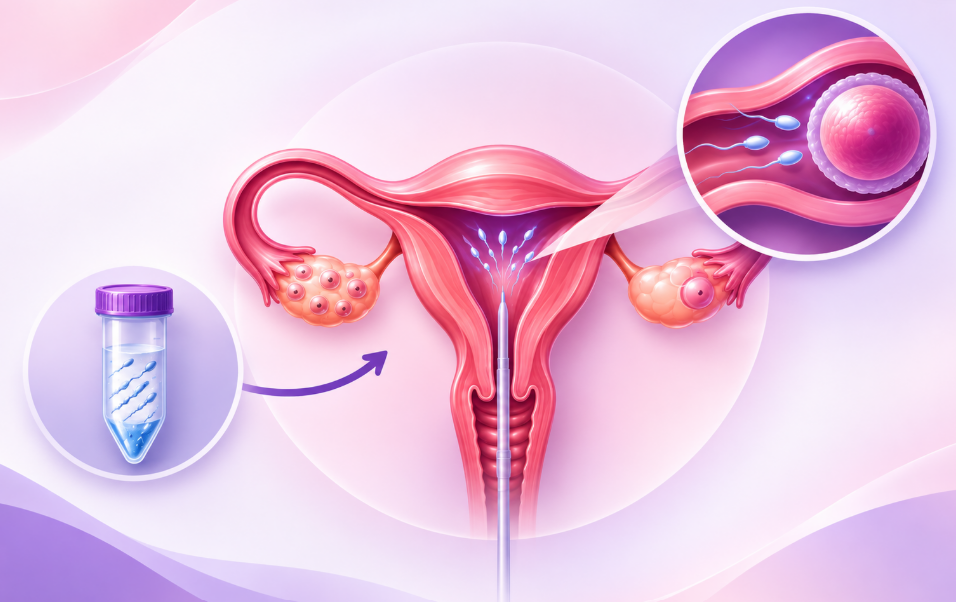
IUI is a fertility treatment in which specially prepared sperm are placed directly into the uterus around the time of ovulation. This shortens the distance sperm must travel to reach the fallopian tube, where fertilization may occur naturally.
Whether you are exploring IUI for the first time or comparing IUI with IVF treatment, understanding the procedure, costs, success factors, and possible risks can help you make a more informed decision.
What Is IUI Treatment?
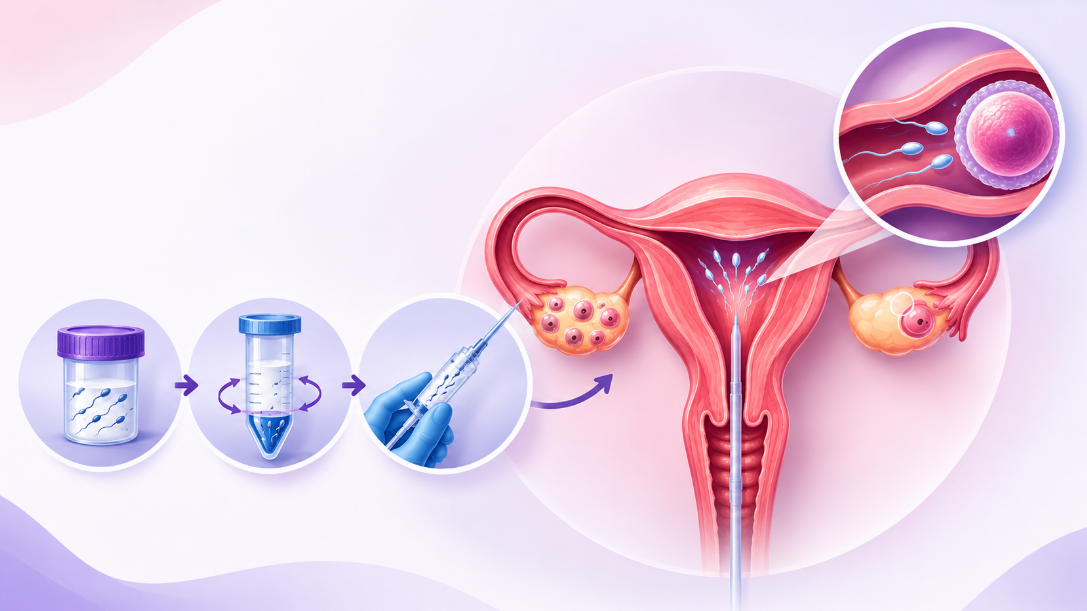
Intrauterine insemination (IUI), also known as a form of artificial insemination, is an assisted fertility procedure designed to place prepared sperm inside the uterus near the time of ovulation.
During natural conception, sperm travel through the vagina and cervix into the uterus and fallopian tubes. In IUI, sperm are processed to obtain a suitable sample containing motile sperm and are introduced directly into the uterine cavity through a thin catheter.
The aim is to help more motile sperm reach the area where fertilization usually takes place.
Unlike in vitro fertilization (IVF), IUI does not involve retrieving eggs or fertilizing them in a laboratory. After insemination, sperm must still meet and fertilize an egg inside the reproductive tract.
IUI is generally less invasive than IVF and involves fewer procedural steps. However, it is not suitable for every cause of infertility, and pregnancy is not guaranteed.
The American Society for Reproductive Medicine's patient information on IUI explains how the procedure works and the factors affecting treatment success.
How Does IUI Help with Fertility?
IUI may support conception in selected circumstances by:
-
Placing prepared, motile sperm directly into the uterus.
-
Bypassing the cervical barrier that sperm normally pass through.
-
Coordinating insemination with the expected time of ovulation.
-
Allowing fertilization to occur inside the body.
-
Providing an assisted conception option that does not require egg retrieval or embryo culture.
However, the potential benefit of IUI depends on the underlying fertility problem. It cannot overcome every cause of infertility, and some patients may benefit more from alternative treatments.
Who May Benefit from IUI Treatment?
IUI treatment in Nepal may be considered for patients with specific reproductive health conditions after an appropriate fertility assessment.
1. Selected Cases of Unexplained Infertility
Unexplained infertility occurs when standard investigations do not identify a clear reason for difficulty conceiving.
Some patients with unexplained infertility may consider IUI with ovarian stimulation. However, recommendations differ between clinical guidelines, and natural-cycle IUI may offer limited benefit over expectant management in this group.
Treatment decisions should consider age, duration of infertility, previous treatment, and personal preferences.
2. Mild Male Factor Infertility
Sperm-related factors such as mildly reduced motility or concentration can sometimes make conception more difficult.
In selected cases, sperm preparation followed by IUI may be considered when sufficient motile sperm are available.
Severe sperm abnormalities may make IUI less effective, in which case IVF or ICSI may be more appropriate.
A fertility diagnostic assessment, including semen analysis when indicated, helps identify the relevant factors.
3. Cervical Factor Infertility
Certain cervical conditions can make it difficult for sperm to move through the cervix.
Because IUI places prepared sperm directly into the uterus, it bypasses this part of the reproductive tract.
4. Ovulation Disorders
Irregular or absent ovulation can affect the timing and likelihood of pregnancy.
Conditions such as polycystic ovary syndrome (PCOS) may contribute to ovulation difficulties.
For some patients, ovulation induction alone may be sufficient. In others, combining appropriate medication with IUI may be considered after assessing additional fertility factors.
5. Difficulties with Sperm Delivery During Intercourse
Certain physical, sexual, or ejaculation-related conditions can make it difficult for sperm to reach the reproductive tract during intercourse.
IUI may offer an alternative approach in selected circumstances when suitable sperm can be obtained.
6. Patients Seeking a Less Invasive Fertility Treatment
Some patients may consider IUI before IVF because it is generally simpler, involves fewer interventions, and is often less expensive.
However, treatment should be based on clinical suitability rather than cost or invasiveness alone.
When Is IUI Not Recommended?
IUI may be unsuitable or have a low likelihood of success when there is:
-
Bilateral fallopian tube blockage.
-
Severe male factor infertility.
-
Moderate to severe endometriosis or significant pelvic disease.
-
Certain serious uterine or reproductive health conditions.
-
Age-related fertility concerns where delaying more effective treatment could reduce the chance of success.
At least one functional fallopian tube is generally required for IUI, because fertilization must occur inside the reproductive tract.
A fertility consultation helps determine whether IUI, ovulation induction, IVF, or another approach is more appropriate.
Natural-Cycle IUI vs Medicated IUI: Understanding Your Options
Hope Fertility & Diagnostic Center offers both natural-cycle IUI and medicated IUI with ovulation induction in-house.
The main difference is whether fertility medication is used to influence ovulation or follicular development.
Natural-Cycle IUI
Natural-cycle IUI is performed without ovarian stimulation medication when the patient is already ovulating.
The menstrual cycle is monitored to identify the fertile window and determine an appropriate time for insemination.
Depending on the treatment plan, ovulation may be tracked using urine luteinizing hormone (LH) tests, ultrasound examinations, or other clinical assessments.
Potential considerations:
-
Usually involves fewer medications.
-
Generally carries less medication-related risk.
-
May involve fewer monitoring requirements.
-
May be considered in selected patients with regular ovulation.
Natural-cycle IUI is not necessarily more effective than expectant management for unexplained infertility, so its expected benefit should be discussed before treatment.
Medicated IUI with Ovulation Induction
Medicated IUI uses prescribed fertility medications to support ovulation or encourage follicular development.
Treatment may involve oral medication or injectable hormones, depending on the diagnosis and clinical plan.
Ultrasound monitoring is important to evaluate follicular development and help determine the timing of insemination.
Medication may be used to trigger ovulation when clinically appropriate.
Potential considerations:
-
May help patients with irregular or absent ovulation.
-
Can improve treatment outcomes in selected patient groups.
-
Requires monitoring of ovarian response.
-
Can increase the chance of multiple pregnancy when more than one follicle develops.
-
May require cancellation if too many follicles develop.
The choice of medication and stimulation protocol should be individualized.
Which Type of IUI Is Right for You?
| Factor | Natural-Cycle IUI | Medicated IUI |
|---|---|---|
| Ovulation | Relies on natural ovulation | Medication supports ovulation or follicular development |
| Fertility medications | Usually none for stimulation | Oral or injectable medications may be used |
| Monitoring | Ovulation tracking; ultrasound when indicated | Ultrasound monitoring is particularly important |
| Multiple pregnancy risk | Usually not increased by ovarian stimulation | May increase when multiple follicles develop |
| Suitable patients | Selected patients who already ovulate | Selected patients based on ovulation status and infertility diagnosis |
A fertility specialist can explain the expected benefits, limitations, and risks of each approach.
IUI Treatment Process: Step by Step
Understanding the IUI procedure can make the treatment experience easier to prepare for.
Although the exact protocol depends on the patient, an IUI treatment cycle generally follows these steps.
Step 1: Initial Fertility Consultation
The first step is an assessment of reproductive health and fertility history.
A specialist may discuss:
-
How long you have been trying to conceive.
-
Menstrual cycle regularity and ovulation patterns.
-
Previous pregnancies or fertility treatments.
-
Medical and surgical history.
-
Existing hormone or ultrasound reports.
-
Previous semen analysis results.
Additional investigations may be recommended to determine whether IUI is suitable.
Schedule a Fertility Consultation
Step 2: Fertility Testing and Treatment Planning
Before IUI, the clinical team may assess ovarian function, tubal patency, uterine health, and sperm quality.
These investigations help identify factors that could affect treatment success.
The treatment plan may involve natural-cycle IUI or medicated IUI with ovulation induction, depending on the findings.
Step 3: Ovulation Monitoring
Correct timing is essential because IUI is performed close to ovulation.
Monitoring may involve:
-
Transvaginal ultrasound.
-
Follicular growth assessment.
-
Urinary LH testing.
-
Selected hormone tests.
-
An ovulation trigger injection when prescribed.
During medicated IUI, ultrasound monitoring also helps identify excessive follicular development and reduce the risk of multiple pregnancy.
Step 4: Semen Collection
A semen sample is generally collected in a sterile container according to the clinic's instructions.
The sample may be collected on the day of the procedure, depending on the treatment protocol.
Patients should follow any instructions provided about collection timing, abstinence, and transportation.
Step 5: Sperm Washing and Preparation
Before insemination, the semen sample is prepared to concentrate suitable motile sperm and separate them from much of the seminal fluid and other material.
This laboratory step is often called sperm washing.
The prepared sample is then used for insemination.
Sperm washing does not correct all sperm abnormalities, and the quality of the resulting sample can affect treatment suitability.
Step 6: Intrauterine Insemination Procedure
During the procedure, the patient lies on an examination table.
A speculum is inserted to allow the clinician to see the cervix. A thin, flexible catheter is then guided through the cervix into the uterus.
The prepared sperm sample is gently introduced through the catheter.
The catheter and speculum are removed after insemination.
The procedure typically takes only a few minutes once the prepared sperm sample is ready. Most patients do not require anesthesia.
Mild cramping or brief discomfort may occur.
Step 7: Aftercare and Pregnancy Testing
After the procedure, patients usually return to their normal daily activities according to their clinician's advice.
Specific medication or follow-up instructions may be provided when necessary.
A pregnancy test is commonly recommended approximately two weeks after insemination, although the clinic will provide the appropriate date.
Testing too early may produce misleading results, particularly when an hCG trigger injection has been used.
If the test is positive, further assessment may be recommended to confirm the pregnancy and its location.
If the test is negative, the treatment team can review the cycle and discuss possible next steps.
How Long Does an IUI Treatment Cycle Take?
IUI is generally planned around a menstrual cycle.
The insemination procedure itself is brief, but the full treatment process may involve initial assessments, ovulation monitoring, semen preparation, and follow-up testing.
The exact timeline depends on whether a natural or medicated cycle is used and how the ovaries respond.
What Tests Are Required Before IUI Treatment?
Fertility testing helps determine whether IUI is likely to be appropriate.
The recommended investigations depend on individual medical history and clinical findings.
Semen Analysis
Semen analysis assesses sperm concentration, motility, morphology, and other relevant characteristics.
These results help determine whether a prepared sperm sample is likely to be suitable for IUI.
Severely abnormal results may lead to additional male fertility investigations or consideration of other treatment approaches.
Fallopian Tube Patency Testing
Because IUI depends on fertilization occurring inside the fallopian tube, tubal health is an important consideration.
A specialist may recommend a hysterosalpingogram (HSG) or another appropriate investigation to assess whether the fallopian tubes are open.
Some tubal conditions may require additional evaluation before fertility treatment.
Transvaginal Ultrasound
A transvaginal ultrasound can help assess the uterus, ovaries, endometrial lining, and developing follicles.
It may also identify findings requiring further investigation.
Ovulation and Fertility Hormone Testing
Depending on the circumstances, hormone investigations may include:
-
Follicle-stimulating hormone (FSH).
-
Luteinizing hormone (LH).
-
Estradiol.
-
Progesterone.
-
Thyroid-stimulating hormone (TSH).
-
Prolactin.
-
Anti-Müllerian hormone (AMH), when relevant.
Not all patients need every test. Results should be interpreted alongside age, symptoms, menstrual history, and other clinical findings.
Additional Investigations
Infectious disease screening or other tests may be recommended according to medical requirements and the planned treatment.
To understand the investigations that may be relevant to you, explore our fertility diagnostic services in Kathmandu.
IUI Treatment Cost in Kathmandu, Nepal
How much does IUI treatment cost in Nepal?
IUI treatment cost varies according to the patient's fertility assessment, whether medication is required, the monitoring schedule, sperm preparation, and additional investigations.
Natural-cycle IUI and medicated IUI may have different cost components because medicated treatment often requires fertility medications and additional monitoring.
For this reason, an accurate IUI treatment estimate should be based on the individual treatment plan.
Factors Affecting IUI Treatment Cost
Initial consultation: The cost of the fertility assessment and treatment planning may be separate from the procedure.
Fertility investigations: Semen analysis, ultrasound, hormone tests, and tubal assessments may influence the initial expense.
Ovulation induction medications: Medicated IUI may involve oral drugs, injections, or an ovulation trigger.
Follicular monitoring: The number of ultrasound visits and other monitoring requirements may vary.
Sperm preparation: Laboratory processing of the semen sample is a standard component of IUI.
Insemination procedure: The treatment includes placing the prepared sperm into the uterine cavity.
Follow-up: Pregnancy testing, repeat assessments, or further consultations may involve additional charges.
What Should You Ask Before Paying for IUI?
Request a written estimate and clarify:
-
Does the quoted price include the consultation?
-
Are ultrasound scans and hormone tests included?
-
Are fertility medications charged separately?
-
Does the package include sperm washing?
-
Are there differences in cost between natural and medicated IUI?
-
What happens if the treatment cycle must be cancelled?
-
Are pregnancy testing and follow-up visits included?
Because pricing can differ by treatment protocol, avoid comparing advertised package prices without checking what each package includes.
Contact Hope Fertility & Diagnostic Center for information about IUI treatment availability and a cost estimate based on your care plan.
IUI Success Rates and Factors Affecting Pregnancy
An important question for patients considering fertility treatment is: What is the success rate of IUI?
IUI can result in pregnancy for some patients, but the probability of success varies according to age, the cause of infertility, sperm quality, ovulation, tubal health, and the treatment protocol.
There is no single IUI success rate that accurately describes every patient's chance of having a baby.
Age and Reproductive Health
Age is an important factor in fertility outcomes.
As egg quality and quantity decline with reproductive age, the chance of pregnancy through IUI generally decreases.
A specialist may recommend a different treatment pathway when age-related factors make delays particularly important.
Cause and Duration of Infertility
The reason for infertility influences whether IUI is appropriate.
For example, some cervical or sperm-delivery difficulties may be addressed by IUI, while severe tubal disease cannot be overcome through insemination.
Longer durations of infertility may also influence the treatment recommendation.
Sperm Count and Motility
The number of motile sperm available after preparation is relevant to IUI treatment.
When very few suitable motile sperm are available, IUI may have a lower chance of success.
Ovulation and Follicular Development
Proper timing of insemination relative to ovulation is important.
For medicated IUI, monitoring follicular growth helps balance the chance of pregnancy with the risk of developing multiple follicles.
Fallopian Tube Health
At least one functional fallopian tube is generally necessary for natural fertilization to occur after IUI.
If both tubes are blocked, IVF may be considered instead.
Natural-Cycle vs Medicated IUI
Medicated IUI may improve outcomes for selected patients, but stimulation also introduces additional risks.
For unexplained infertility, the American Society for Reproductive Medicine's evidence-based guidance describes the role of ovarian stimulation with IUI and the limitations of natural-cycle IUI.
Not all clinical guidelines recommend IUI for the same patient groups, so treatment decisions should involve individualized counseling.
Success Per Cycle vs Cumulative Success
Success per cycle describes the outcome after one IUI attempt.
Cumulative success describes the likelihood of achieving an outcome over multiple cycles.
A clinic may report positive pregnancy tests, clinical pregnancies, or live births. These are different measures and should not be treated as equivalent.
Patients should ask which outcome is being reported and whether the data apply to people with similar clinical characteristics.
How Many IUI Cycles Should You Try?
There is no single number of IUI attempts appropriate for everyone.
The decision to continue IUI or consider IVF depends on age, diagnosis, previous response, financial considerations, and patient preferences.
A specialist may recommend reassessment after a limited number of unsuccessful cycles rather than repeating treatment indefinitely.
Risks and Possible Side Effects of IUI Treatment
IUI is generally considered a low-risk procedure, but patients should understand the possible side effects and complications.
Mild Cramping or Spotting
Some patients experience brief uterine cramping or light spotting after insemination.
These symptoms are usually temporary.
Infection
There is a small risk of infection after intrauterine insemination.
Persistent fever, worsening pelvic pain, or unusual discharge should be evaluated by a healthcare professional.
Multiple Pregnancy
The risk of twins or higher-order multiple pregnancy can increase when fertility medications stimulate the development of more than one follicle.
Multiple pregnancies carry additional health risks for the pregnant patient and babies.
Careful medication selection and ultrasound monitoring are important during medicated IUI.
Ovarian Hyperstimulation Syndrome (OHSS)
OHSS is an uncommon but potentially serious complication of ovarian stimulation, particularly with some injectable medications.
Symptoms may include abdominal swelling, pain, nausea, vomiting, and, in severe cases, breathing difficulties.
The medical team may adjust or cancel a treatment cycle if the ovarian response creates an unacceptable risk.
Ectopic Pregnancy
Pregnancy following IUI can sometimes occur outside the uterus.
Symptoms such as severe abdominal pain, dizziness, fainting, or heavy bleeding require urgent medical assessment.
Emotional Stress
Fertility treatment can involve uncertainty, especially when pregnancy does not occur after an attempt.
Clear expectations and access to emotional support can be valuable throughout treatment.
For further patient information, see the NHS guide to IUI treatment and possible complications.
IUI vs IVF: Which Fertility Treatment Is Right for You?
IUI and IVF are both assisted reproductive treatments, but they differ in complexity, cost, and medical indications.
| Feature | IUI Treatment | IVF Treatment |
|---|---|---|
| Fertilization | Occurs inside the reproductive tract | Occurs in a laboratory |
| Egg retrieval | Not required | Required |
| Sperm preparation | Yes | Yes |
| Embryo culture | Not required | Part of the IVF process |
| Procedure complexity | Generally lower | Generally higher |
| Typical cost | Usually lower | Usually higher |
| Tubal requirements | At least one functional fallopian tube generally needed | Can bypass blocked tubes |
| Success per cycle | Generally lower | Generally higher, depending on individual factors |
| Best suited for | Selected fertility conditions | A broader range of complex infertility conditions |
When Might IUI Be Considered Before IVF?
IUI may be considered when investigations indicate that natural fertilization is possible and the expected benefit justifies treatment.
It may also be preferred by some patients seeking a less invasive treatment, provided the medical circumstances support that choice.
When Might IVF Be More Appropriate?
IVF may be recommended when there is significant tubal disease, severe sperm-related infertility, certain other reproductive conditions, or unsuccessful treatment with appropriate alternatives.
Age and the potential effect of treatment delays should also be considered.
Neither IUI nor IVF is automatically the right choice for everyone.
For a detailed explanation of laboratory fertilization and embryo transfer, explore IVF treatment in Kathmandu, Nepal.
Why Choose Hope Fertility & Diagnostic Center for IUI Treatment in Kathmandu?
Choosing a fertility clinic is about more than selecting a procedure. Patients need an appropriate assessment, understandable information, realistic expectations, and a treatment pathway suited to their reproductive health.
In-House Natural and Medicated IUI Treatment
Hope Fertility & Diagnostic Center offers natural-cycle IUI and medicated IUI with ovulation induction in-house, allowing eligible patients to explore both approaches following clinical assessment.
Individualized Fertility Care
Fertility treatment should reflect the patient's medical history, ovulation patterns, semen findings, and reproductive health.
Our approach emphasizes evaluating these factors before selecting an IUI treatment plan.
Fertility Assessment and Diagnostic Guidance
Understanding why conception has been difficult is an important step before treatment.
Appropriate diagnostic testing can help clarify whether IUI is suitable or whether another treatment may offer a better chance of success.
Clear Communication About Treatment Options
We believe patients should understand the purpose of IUI, the differences between natural and medicated cycles, possible risks, expected outcomes, and treatment costs before proceeding.
Compassionate Support Throughout Your Fertility Journey
Fertility challenges can affect emotional well-being.
Our aim is to provide an environment where patients can discuss their concerns, ask questions, and make informed decisions about their care.
Convenient Fertility Care in Kathmandu, Nepal
Hope Fertility & Diagnostic Center is located at Danfe, Balabhadra Marga, Kathmandu 44600, Nepal.
Patients exploring fertility treatment in Kathmandu can contact the clinic to discuss available consultations and the next steps in planning IUI treatment.
Book an Appointment at Hope Fertility
Frequently Asked Questions About IUI Treatment in Kathmandu
1. What is IUI treatment?
IUI, or intrauterine insemination, is a fertility procedure in which prepared sperm are placed directly inside the uterus around ovulation. Fertilization must still occur naturally inside the reproductive tract.
2. How much does IUI treatment cost in Kathmandu?
IUI cost in Kathmandu depends on the fertility investigations, natural or medicated treatment protocol, medications, monitoring, sperm preparation, and procedure fees. A clinic-specific estimate is recommended.
3. Is IUI treatment painful?
IUI is usually performed without anesthesia. Some patients experience mild discomfort, cramping, or spotting, but the insemination procedure is generally brief.
4. How long does the IUI procedure take?
The insemination itself generally takes only a few minutes. However, sperm collection, preparation, monitoring, and other appointment steps require additional time.
5. What is the difference between natural IUI and medicated IUI?
Natural-cycle IUI is timed with the patient's own ovulation without ovarian stimulation medication. Medicated IUI uses prescribed fertility drugs to support ovulation or follicular development and generally requires closer monitoring.
6. Can IUI help with PCOS?
Some patients with PCOS may require medication to support ovulation. IUI may be considered in selected circumstances, but it is not automatically necessary for everyone with PCOS.
7. Can IUI work with low sperm count?
IUI may be suitable for some patients with mildly reduced sperm parameters. Its usefulness depends partly on the number and quality of motile sperm available after preparation. Severe abnormalities may require alternative treatment.
8. Can IUI be performed with blocked fallopian tubes?
IUI generally requires at least one functional fallopian tube. If both tubes are blocked, IVF may be a more appropriate treatment option.
9. What is the success rate of IUI on the first attempt?
Success varies depending on age, diagnosis, sperm quality, ovulation, and other factors. Pregnancy is possible after the first cycle, but IUI does not guarantee conception.
10. How many IUI cycles are usually recommended?
The recommended number of attempts differs between patients. A specialist may review treatment after several cycles or recommend moving to another approach sooner when clinical circumstances warrant it.
11. When should I take a pregnancy test after IUI?
Pregnancy testing is commonly advised about two weeks after IUI, but the exact timing should follow your clinic's instructions. Testing too early may produce misleading results.
12. Is IUI better than IVF?
IUI is generally less invasive and less expensive, while IVF often offers a higher chance of pregnancy per cycle and may be appropriate for more complex fertility conditions. The best choice depends on the diagnosis and individual circumstances.
Book an IUI Consultation in Kathmandu, Nepal
If you have been trying to conceive and want to understand whether intrauterine insemination is an appropriate option, an individualized fertility consultation is a practical first step.
At Hope Fertility & Diagnostic Center, we offer in-house natural-cycle IUI and medicated IUI treatment in Kathmandu, Nepal.
Whether you are exploring fertility treatment for the first time, have irregular ovulation, or want to compare IUI with IVF, our team can help you understand the evaluation and treatment options available.
Take the next step toward understanding your fertility health.
Call: +977 976-7648498
Location: Danfe, Balabhadra Marga, Kathmandu 44600, Nepal
Medical disclaimer: This content is intended for general patient education and does not replace individualized medical assessment. Treatment eligibility, medications, risks, and expected outcomes should be discussed with a qualified fertility professional.
We deliver gentle support every day
Sed ut perspiciatis unde omnis iste natus error sit voluptatem accusantium doloremque laudantium, totam rem aperiam, eaque ipsa quae ab illo inventore veritatis et quasi architecto beatae vitae dicta sunt explicabo. Nemo enim ipsam voluptatem quia voluptas sit aspernatur aut odit aut fugit, sed quia consequuntur magni dolores eos qui ratione voluptatem sequi nesciunt. Neque porro quisquam est, qui dolorem ipsum quia.
But I must explain to you how all this mistaken idea of denouncing pleasure and praising pain was born and I will give you a complete account of the system, and expound the actual teachings of the great explorer of the truth, the master-builder of human happiness. No one rejects, dislikes, or avoids pleasure itself, because it is pleasure, but because those who do not know how to pursue pleasure rationally encounter consequences that are extremely painful.


Our offer assistance with activities such as:
Resident-First Philosophy
The process begins when a customer or client requests a service. This could be an inquiry, a complaint or a need for assistance. It's important to capture detailed information about.
24/7 Skilled Nursing Support
The process begins when a customer or client requests a service. This could be an inquiry, a complaint or a need for assistance. It's important to capture detailed information about.
Personalized Care Plans
The process begins when a customer or client requests a service. This could be an inquiry, a complaint or a need for assistance. It's important to capture detailed information about.
Safe, Homelike Environment
The process begins when a customer or client requests a service. This could be an inquiry, a complaint or a need for assistance. It's important to capture detailed information about.
Frequently Asked Questions
If you have been trying to conceive without success, a consultation can help identify next steps.